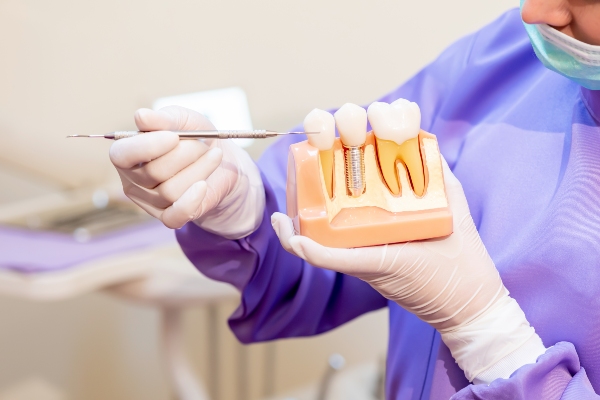
Dental implant placement is a treatment that requires at least two surgical procedures. As with any surgical operation, there is a risk of infection after implant placement. Infection can occur at the implant site, in the surrounding soft gum tissue, or in the jawbone that supports the implant. Symptoms of infection after implant placement may include:
If a patient experiences any of these symptoms, they should contact their dentist as soon as possible since this issue can lead to further oral and overall health complications.
In some cases, the patient's body may reject the dental implant. Rejection means the titanium post becomes loose or infected and must be replaced. Implant failure can occur due to the following:
An implant abutment screw that has broken or fractured is a serious complication that is not easy to repair. The dentist can sometimes salvage the dental implant by removing the screw and replacing the implant. However, the remaining bone may not be strong enough to support a new implant.
Nerve or tissue damage can also occur during dental implant placement. Nerve damage can cause patients to experience pain or discomfort, numbness, or tingling in the lips, tongue, or chin. This often occurs in the lower jaw, where the nerves are closer to the surface. The damage may be temporary or permanent, depending on the severity of the injury.
Additionally, tissue damage can lead to inflammation, bleeding, or infection. Patients may experience these complications for various reasons, such as improper implant placement, poor oral hygiene, or a lack of bone density.
For implants placed in the upper jaw, there is a potential risk of piercing the sinus cavity during the placement procedure. This can lead to sinusitis, an infection of the sinus cavity, or other sinus-related issues. Sinus damage is more likely for patients with insufficient bone density to support the dental implant.
While rare, some patients may experience allergic reactions to the materials used in dental implants, such as titanium or certain types of dental cement. Symptoms of an allergic reaction may include swelling, redness, or irritation around the implant site. In severe cases, some patients may experience anaphylaxis. Those with a known allergy to any dental materials should discuss this with their dentist during their initial consultation to avoid this complication.
Check out what others are saying about our dental services on Yelp: Dental Implants in Denver, CO
While knowing the potential risks of getting dental implants is important, it is equally important to remember that most patients have successful outcomes with minimal complications. If you have any concerns about dental implants, do not hesitate to discuss them with Integrity Family Dental before undergoing treatment. Our team is here to support you and help alleviate any fear you may have. Reach out to our office to learn more.
Request an appointment or call Integrity Family Dental at 303-337-3000 for an appointment in our Denver office.
An implant dentist often provides crucial support when a dental implant sustains damage that could…
Proper care is essential to maintain oral health, whether a tooth is treated with a…
A healthy and complete smile contributes to confidence, oral function, and overall well-being. When missing…
With routine checkups and professional polishing, a dental crown can stay smooth, comfortable, and bright…
An implant dentist provides a reliable and long-lasting solution for missing teeth through dental implants.…
Finding the right implant dentist is the first step for those considering dental implants to…