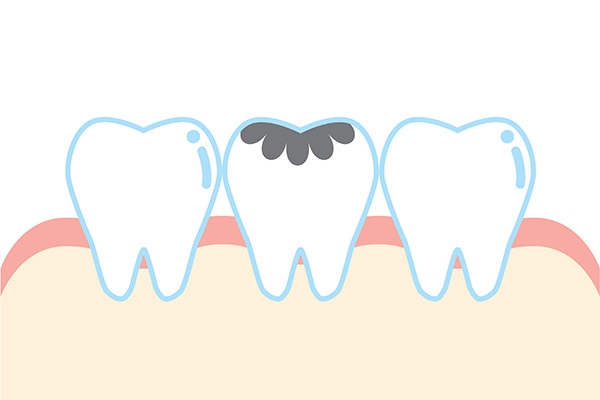
When treating a damaged or decayed tooth, a dentist may recommend either a dental filling or a crown, depending on the extent of the damage. A dental filling is often used to repair small cavities or areas of minor tooth decay, while a crown is typically needed for more significant structural restoration. Understanding the differences between the two can help patients make informed decisions about their treatment.
A dental filling involves removing decayed material from the tooth and replacing it with a durable material such as composite resin, amalgam, gold, or porcelain. This procedure helps restore the tooth’s shape and function while preventing further decay. Fillings are most effective when the damage is minimal, and the remaining tooth structure is strong enough to support the restoration.
Fillings are commonly used in cases such as small to moderate cavities, slight chips or cracks, and minor wear from grinding or acidic erosion.
Since the procedure is less invasive, it often requires minimal tooth preparation and can usually be completed in a single visit.
A dental crown, also known as a cap, is a full-coverage restoration that fits over the entire visible portion of a tooth. Crowns are recommended when a tooth is too damaged or weakened to hold a dental filling securely. This includes situations where decay is extensive, the tooth has undergone a root canal, or a large portion of the tooth structure is missing.
Crowns offer added strength and protection for:
Crowns are custom-made to match the color, shape, and size of surrounding teeth, helping restore both appearance and function.
Both options aim to restore health and function, but choosing the right one can prevent future complications and preserve long-term oral stability. The choice between a dental filling and a crown depends on the size and location of the damage, the strength of the remaining tooth, and the long-term prognosis of the restoration. Dentists use X-rays and visual examinations to assess the condition and recommend the most conservative yet effective solution.
Preserving as much natural tooth structure as possible is ideal in many cases. A filling is typically chosen if the decay has not compromised the overall stability of the tooth. However, if there is a fracture risk or failure with a filling, a crown may be the more appropriate option to ensure durability and longevity.
Proper care is essential to maintain oral health, whether a tooth is treated with a dental filling or a crown. Regular brushing, flossing, and professional checkups help prevent future problems and extend the life of the restoration. For more information or to schedule a consultation, call Integrity Family Dental at (303) 337-3000.
To schedule a consultation, request an appointment on our website at https://integrityfamilydentist.com or call Integrity Family Dental at (303) 337-3000 for an appointment in our Denver office.
Check out what others are saying about our dental services on Yelp: Composite Fillings in Denver, CO.
Cosmetic dentistry is not just for those in the public eye but is available to…
An implant dentist is a professional who diagnoses, plans, and places dental implants to restore…
With a dental implant, the patient can maintain the quality of their permanent replacement tooth…
An implant dentist can help people who are missing one or more teeth restore the…
An implant dentist often provides crucial support when a dental implant sustains damage that could…
A healthy and complete smile contributes to confidence, oral function, and overall well-being. When missing…