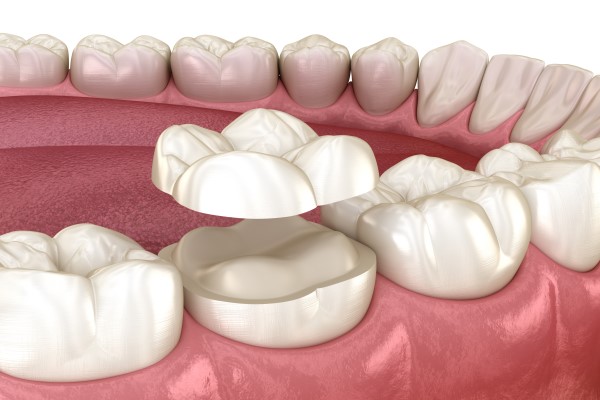
A dental onlay is a conservative dental restoration designed to repair damage or decay in the tooth while preserving the maximum amount of natural structure. Unlike crowns, which cover the entire tooth, a dental onlay fits snugly over the affected area, restoring function and appearance. This approach offers significant benefits for patients looking to maintain their natural tooth integrity, especially when a filling or crown may not be a viable solution. Understanding the advantages of this restoration can help patients prepare for an upcoming consultation or appointment.
A dental onlay is a type of indirect restoration custom-made to fit a damaged tooth's contours. Dental practitioners typically use it to treat larger cavities or tooth damage that extends beyond the normal capabilities of a filling but does not require the full coverage of a crown. Dental onlays comprise durable materials such as porcelain, composite resin, or gold, offering strength and aesthetic appeal. The practitioner bonds the onlay to the tooth, creating a seamless, natural-looking result.
Unlike traditional fillings, which are molded directly into the cavity, onlays require an offsite dental laboratory for fabrication based on precise impressions of the tooth. This ensures a highly accurate fit and long-lasting durability. Dental onlays are particularly effective for restoring teeth that have sustained moderate decay or damage, especially in areas that need added strength, such as the chewing surface of molars.
Dental onlays are ideal for patients with moderate decay or damage that does not require the complete coverage of a crown. Practitioners often use them when:
A dental onlay is also an excellent choice for teeth weakened by prior dental work, such as fillings, and needs additional support to prevent further damage.
The procedure for placing a dental onlay typically involves two visits to the practitioner, usually a general dentist, cosmetic dentist, or oral surgeon. During the first visit, the practitioner will clean and prepare the tooth, removing any decayed or damaged material. The dental team will take impressions of the tooth to create a custom onlay that fits snugly. The practitioner may place a temporary filling or crown to protect the tooth while the dental laboratory crafts the onlay.
During the second visit, the practitioner will remove the temporary restoration and carefully test the fit of the dental onlay. Minor adjustments are easy to perform at this stage, but if the onlay is too ill-fitting, the practitioner will return it to the lab—a rare task. Once the patient and practitioner are satisfied with the bite and fit, they will bond the restoration in place using dental cement. Finishing the appointment, the practitioner will polish the onlay to match the natural contours and appearance of the surrounding teeth.
Dental onlays host significant advantages aside from their minimally invasive nature. The most notable include:
One of the key benefits of a dental onlay is its ability to preserve the tooth's natural structure. Unlike crowns, which may require significant removal of healthy tooth material to accommodate the restoration, onlays are minimally invasive. Onlays only require removing the decayed or damaged portion of the tooth, leaving the healthy portions largely intact,
Dental onlays comprise highly durable materials that can withstand the forces of chewing and biting. Porcelain and gold, in particular, offer exceptional strength, making them suitable for use on molars, which endure significant pressure during chewing. The custom-fit design of a dental onlay ensures that it bonds securely to the tooth, providing long-term durability and resistance to wear and tear.
Porcelain and composite resin dental onlays can be color-matched to the tooth's natural shade, offering excellent aesthetic results. This is especially important for teeth visible when smiling or speaking. Unlike gold or amalgam fillings, dental onlays blend seamlessly with the natural tooth, making them an ideal solution for those seeking a discreet restoration.
Dental onlays are known for their longevity. According to WebMD, they can last up to 30 years with proper care. The strong bond and durable materials ensure the onlay remains intact and functional over time, providing a reliable and long-lasting restoration.
Dental onlays offer a conservative, effective, and aesthetically pleasing solution for restoring damaged or decayed teeth. Do you have questions about dental onlays? Contact Integrity Family Dental to learn more information or to schedule an appointment.
Request an appointment here: https://integrityfamilydentist.com or call Integrity Family Dental at (303) 337-3000 for an appointment in our Denver office
Check out what others are saying about our dental services on Yelp: Dental Restorations in Denver, CO.
An implant dentist can help people who are missing one or more teeth restore the…
An implant dentist often provides crucial support when a dental implant sustains damage that could…
Proper care is essential to maintain oral health, whether a tooth is treated with a…
A healthy and complete smile contributes to confidence, oral function, and overall well-being. When missing…
With routine checkups and professional polishing, a dental crown can stay smooth, comfortable, and bright…
An implant dentist provides a reliable and long-lasting solution for missing teeth through dental implants.…