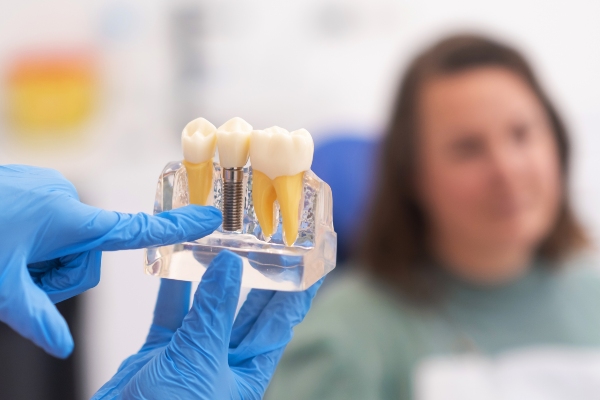
Choosing the right dentist for implants is important. Look for a dentist with special training in implant procedures and a lot of hands-on experience. Many dentists take extra courses or get certifications in implant dentistry. Ask about their previous cases and success rates to better understand their skills. A good dentist will assess the patient's oral health to determine whether they are ideal for implants. They will then create a personalized treatment plan to provide the patient's best possible results.
Success rates for dental implants are high, with studies showing an average success rate between 90 and 95 percent. However, it is important to note that several factors can influence outcomes, including:
A skilled implant dentist evaluates these factors before proceeding with the treatment process. Advanced techniques and technology, such as 3D imaging and guided surgery, can also help enhance precision and improve outcomes.
There are two main types of dental implants. Endosteal implants are placed directly into the patient's jawbone. Meanwhile, subperiosteal implants rest on top of the bone. The type of material choice, such as titanium or zirconia, can also affect the durability and compatibility with the patient's oral structures. Ask the implant dentist about the brand and manufacturer to ensure they use high-quality materials that meet industry safety and longevity standards.
Dental implants provide numerous benefits, including improved oral function, appearance, and long-term durability. Unlike traditional dentures, implants integrate with the jawbone, preventing bone loss and maintaining facial structure. They also restore the patient's chewing ability, which allows individuals to eat a variety of foods without discomfort.
However, there are potential drawbacks. Patients need to have sufficient bone density to support the implants. They also need to prepare for the possibility of multiple procedures and need to undergo a longer healing period compared to other tooth replacement options.
The duration of the implant process varies based on several factors, including the need for preliminary treatments such as bone grafting or tooth extractions. The procedure is often completed in multiple stages over several months. The initial placement of the implant post requires healing time, allowing the bone to integrate with the implant. Once healing is complete, the final restoration is placed. While the process requires patience, the long-term benefits make it a worthwhile investment.
Check out what others are saying about our dental services on Yelp: Implant Dentist in Denver, CO
The Integrity Family Dental team understands that choosing an implant dentist requires careful consideration and thorough research. We are here to make a well-informed decision that leads to better outcomes and long-lasting dental health. If you have more questions for us, reach out to our Denver office.
Request an appointment or call Integrity Family Dental at 303-337-3000 for an appointment in our Denver office.
An implant dentist often provides crucial support when a dental implant sustains damage that could…
Proper care is essential to maintain oral health, whether a tooth is treated with a…
A healthy and complete smile contributes to confidence, oral function, and overall well-being. When missing…
With routine checkups and professional polishing, a dental crown can stay smooth, comfortable, and bright…
An implant dentist provides a reliable and long-lasting solution for missing teeth through dental implants.…
Finding the right implant dentist is the first step for those considering dental implants to…